
The kitchen sink is one of the most heavily used fixtures in any kitchen, dealt with multiple times every single day. Choosing the wrong one can lead to years of frustration, extra costs, and dissatisfaction, while the right choice enhances your kitchen’s beauty and makes daily tasks easier. In this comprehensive guide, we cover everything you need to know before buying a kitchen sink — from material and installation type to size, shape, color, and maintenance.
1. Know Your Sink Material
The material of your sink directly affects its durability, appearance, price, and maintenance needs. Before anything else, figure out which material best fits your lifestyle and budget.
Stainless Steel
The most popular and widely used material worldwide. It resists rust, moisture, and bacteria, and comes at an affordable price. A key factor to check is the “gauge,” or sheet thickness — a lower gauge number (e.g., 18-gauge vs. 22-gauge) means a thicker, sturdier sheet that resists denting and warping better. Also pay attention to the surface finish (glossy, matte, or satin); matte finishes typically show fewer scratches.
Granite Composite
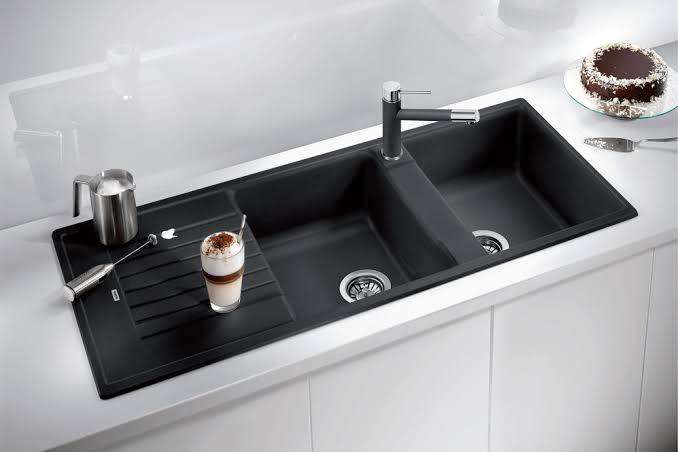
These sinks are made from a blend of natural stone powder (granite or quartz) and resin, offering excellent resistance to scratches, heat, impact, and stains. Their wide range of colors (black, gray, cream, brown, etc.) allows for better coordination with cabinets and countertops. However, they tend to be pricier than steel and heavier, which should be factored into cabinet design.
Ceramic / Fireclay
Ceramic sinks offer a classic, luxurious look and resist stains, heat, and chemicals well. However, they can chip or crack under impact from heavy or hard objects, so extra care is needed during daily use.
Copper
Copper sinks are a distinctive, decorative, and relatively rare choice with natural antibacterial properties; their color develops a rich patina over time. They require more regular cleaning and maintenance to preserve their shine and prevent tarnishing.
Resin Composite and Acrylic
Lighter and more economical than granite composite, these sinks come in various colors but generally offer lower resistance to high heat and scratching, making them less ideal for heavy daily use.
2. Choose the Right Installation Type
The installation method affects not just your kitchen’s final look, but also cleaning ease, installation cost, and compatibility with your countertop.
Drop-in / Top-mount
The sink is installed from above the cabinet and countertop, with its rim visible on the counter surface. This method is simple, quick, and cost-effective, making it a good option for budget renovations. Its main drawback is that dirt and water can accumulate where the rim meets the counter.
Undermount
The sink is mounted beneath the countertop with no visible rim, creating a seamless, clean, modern look. Benefits include being able to wipe crumbs directly into the sink and easier overall cleaning. However, installation requires high technical precision and usually costs more, and it’s only compatible with solid surfaces like stone or quartz (not laminate counters).
Farmhouse / Apron Front
This design features a front panel that extends past the cabinet, giving the kitchen a warm, rustic, stylish look. These sinks typically have a larger capacity and depth, making them ideal for washing large pots and pans, but they require custom cabinetry.
Flush-mount
The sink sits perfectly flush with the countertop, creating a minimal, seamless appearance. While visually striking, it’s more complex and costly to install.
3. Choose Size, Shape, and Bowl Configuration Based on Your Needs
Before buying, consider the space available under your counter and your daily kitchen habits:
- Single-bowl sink: Suits smaller kitchens or households, and makes it easier to fit large pots and pans.
- Double-bowl sink: Allows washing and rinsing simultaneously, or separating dirty and clean dishes; better suited for larger households or frequent cooks.
- Sink with an auxiliary bowl: Some models include a small secondary bowl useful for washing vegetables or food prep.
Bowl depth also matters significantly; deeper bowls (typically 20–25 cm) are better for washing large pots, though they may require more bending while working — so adjust counter height accordingly.
4. Don’t Forget Sound Insulation
One often-overlooked factor is how much noise the sink makes when water or dishes hit it. Quality stainless steel sinks usually have a sound-dampening pad or spray coating on the underside that reduces vibration and noise. Be sure to ask the seller about this insulation and its thickness before buying — cheaper sinks often lack this feature entirely.
5. Number and Placement of Faucet Holes and Accessories
Before purchasing, make a complete list of accessories you plan to install, including:
- The main faucet, and separate hot/cold taps if needed
- A side sprayer
- A soap/dish-liquid dispenser
- Strainer and plumbing beneath the sink
- A garbage disposal unit, if applicable
Identifying these in advance lets you choose a sink with the right number and layout of holes, avoiding the need for extra drilling into the countertop later.
6. Color and Coordination with Kitchen Décor
Sinks are no longer limited to silver tones; granite and composite models now come in black, dark gray, cream, and even colored finishes. The sink color should coordinate with your cabinets, countertop, and faucet to create a cohesive kitchen look. Darker colors generally show water spots and stains less.
7. Common Mistakes When Buying a Kitchen Sink
- Ignoring steel sheet thickness (gauge) and ending up with a thin, short-lived sink
- Overlooking the exact dimensions of the cabinet beneath the sink, resulting in a poor fit
- Not checking for sound insulation
- Choosing an installation type incompatible with the countertop material (e.g., undermount on laminate)
- Ignoring the manufacturer’s warranty and after-sales support
8. Maintenance and Cleaning by Material
Proper care based on material extends your sink’s lifespan:
- Stainless steel: Use mild cleaners and avoid abrasive scouring pads to prevent scratches.
- Granite/composite: Clean with a soft cloth and avoid strong acidic cleaners.
- Ceramic: Avoid dropping heavy objects and use ceramic-specific polish.
- Copper: Clean regularly with copper-specific solutions to maintain its shine.
9. Final Thoughts and Budgeting
A cheap sink might seem economical short-term, but lower quality often leads to higher long-term costs from rust, excessive noise, or early replacement. It’s best to set your budget with quality material, a reputable brand, and a solid warranty in mind — ensuring your kitchen investment lasts for years and performs reliably.